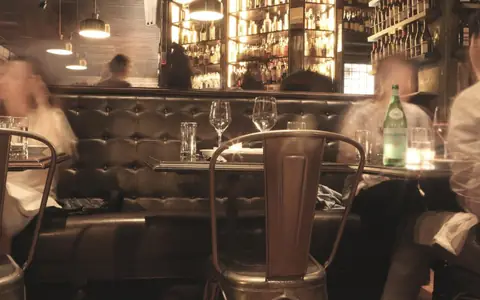

How to Manage a Restaurant's Instagram Account
A practical roadmap for growing your restaurant's Instagram account with menu, kitchen and guest content, from profile setup to a weekly content plan.
 Aurora YazılımEditorial team
6 min read
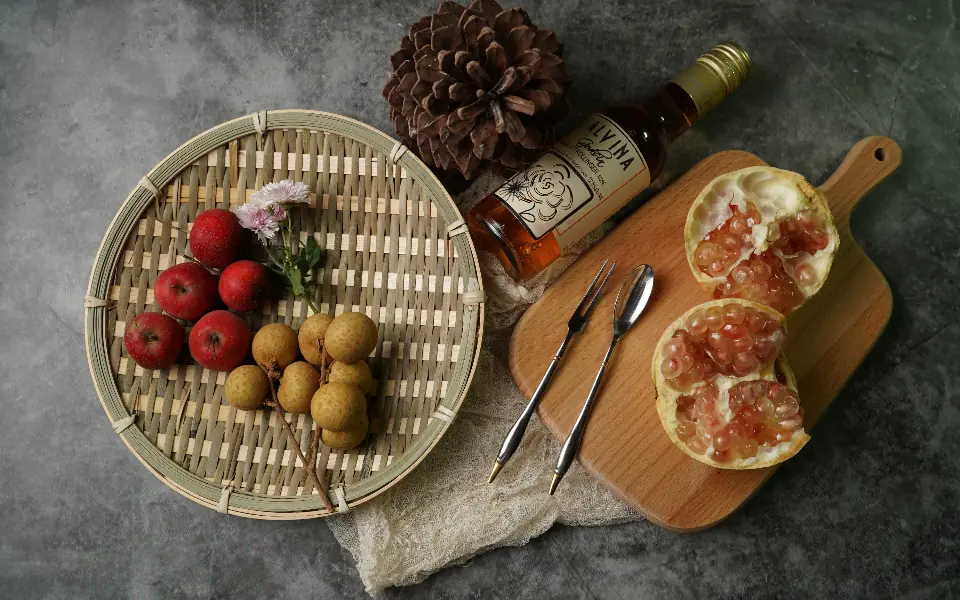
A restaurant Instagram account is built on a clear profile, a steady posting calendar and three content pillars: the menu, behind the scenes in the kitchen, and the guest experience. A few posts and Reels a week, a story every day, food shot in natural light and quick replies to messages turn followers into guests sitting at your tables.
What Is Instagram Good For in a Restaurant?
Instagram is where guests “taste” a restaurant before they ever walk in. A plate in a friend's story, a Reels clip that shows up in Explore, or someone searching for dinner ideas and landing on your profile is often the last step before a reservation.
That is why the job of a restaurant Instagram account is not to collect followers but to bring in guests. The follower count alone tells you little; what matters is that a visitor to your profile understands your menu, your location and your atmosphere within seconds and decides to come.
A well-run account also keeps you close to your regulars. The people who follow you are the first to hear about the new menu, the season opening or the weekend event.
Profile Setup: The First Impression
Visitors look at the top section of your profile first. It works like a shop sign and should answer three questions: what do you serve, where are you, and how can guests reach you?
- Make your username the same as, or very close to, your business name so it is easy to find in search.
- Use a logo as your profile photo that stays readable even at a small size.
- In your bio, briefly state your cuisine, neighborhood or city, opening hours and how to reserve.
- In the link field, add the page with your menu and reservation details; a QR code menu link works well here too.
- Organize your story highlights under headings such as “Menu”, “Breakfast”, “Venue”, “Events” and “Reviews”.
The Three Content Pillars
Accounts that do not know what to post either stay silent or keep repeating the same plate photo. A simple framework solves this: spread your content across three pillars.
Keeping the three pillars balanced stops your feed from looking one-note. An account that only posts products looks like a catalog; one that only shows atmosphere leaves guests unsure what they will eat. When you build the weekly plan, include at least one post from each pillar and keep your visual language (light, color, typography) consistent, so that visitors get a coherent, trustworthy impression.
1. Menu and products
Best sellers, new items, seasonal flavors and the dish of the day. Each post should state the dish name, a short description and, where relevant, the day or time it is served. Whether to share prices is up to you; if you do, keep them up to date.
2. Behind the scenes
Fresh produce arriving in the morning, dough being prepared, the chef plating a dish, or the team's pre-service huddle. Behind-the-scenes content builds trust and warmth; when guests see how the food is made, they appreciate the work behind it.
3. Guests and atmosphere
A full evening, a table celebrating, the terrace at sunset. Always ask permission before posting guest footage; frames where faces are not visible, and reshares of posts in which guests tag you, are good alternatives.
Cafe Instagram Post Ideas
Recurring formats are your best help in filling the calendar. The following cafe Instagram post ideas can be adapted for restaurants as well:
- A fixed weekly series such as “Dessert of the week” or “Chef's pick”
- A dish's journey from ingredient to plate, as a 4–5 slide carousel
- A short portrait introducing a member of the team
- Stories answering guest questions: “Do you have gluten-free options?”
- A “which one should stay?” poll before the seasonal menu change
- A post introducing a local producer or supplier
- Reservation reminders for special days
Reach More People with Reels
Restaurant Reels are one of the strongest ways to reach people who do not follow you yet. Short videos shot vertically in 9:16 ratio at 1080×1920 pixels fill the whole phone screen.
The first second of a good restaurant Reel should spark curiosity: flames rising from a pan, a cheese being cut, a sauce being poured. Avoid long intros and logo openers. Showing the venue's name or location at the end sends viewers to your profile.
Professional equipment is not essential; a clean lens, natural light and a steady hand are often enough. If you are planning a bigger video series, a promo film or season-opening content, creative production support gives you a consistent look.
Quick Rules for Food Photography
Instagram is a visual platform, and the photo of a plate is the first taste of the dish. A few rules noticeably lift food photography on Instagram:
- Use natural light by a window; avoid yellow overhead lamps.
- Simplify the background and clear extra items off the table.
- Pick the angle to suit the dish: pizza and breakfast spreads look best from above, burgers and layered desserts from the side.
- Shoot the food the moment it is served, while the steam and shine are still there.
- Go easy on filters; the food should look the way it looks in real life.
Weekly Plan and Measurement
Regular posting beats occasional bursts. A realistic starting plan is three posts or Reels a week and at least one story every day. If your capacity is low, reduce the number but do not break the rhythm.
Shooting content in batches at the start of the week reduces the risk of forgetting to post during a busy service. Writing the day, format, content pillar and caption in a spreadsheet or calendar in advance also makes it easier to hand the job from one person to another. If there is no time to run this in-house, regular social media management support keeps the rhythm unbroken.
When measuring, look at saves, shares, profile visits and link clicks rather than likes. Tracking which type of content brings messages and reservations shapes next month's plan. Running Instagram together with a Google Business Profile completes your visibility; we cover that in our restaurant Google Business Profile guide.
Messages, Comments and Ads
Messages coming in through Instagram are often reservation or information requests. A message left unanswered for hours is a table lost. Set up saved replies for frequent questions and check messages several times a day, even outside service hours.
Replying to comments makes the account feel alive and invites other followers into the conversation. Answering a negative comment politely instead of deleting it protects trust in your business.
On the advertising side, small-budget campaigns aimed at users in your immediate area and at the right time of day make more sense than targeting a wide audience. Planning organic content and ads together keeps your message consistent with the restaurant's other channels; we cover that bigger picture in restaurant marketing ideas and seasonal campaign planning in our seasonal marketing guide. Brand management work also helps keep your brand voice and visual language consistent across every channel.
Frequently Asked Questions
01How often should a restaurant post on Instagram?
Three posts or Reels a week and one story a day is a good starting rhythm. If capacity is low, reduce the number but keep the routine; going quiet for months and then posting ten times in one week is less effective.
02Does buying followers work?
No, and it does harm. Purchased followers do not live in your area, never visit the restaurant and do not engage with your content, which can drag down the performance of posts reaching your real followers.
03Should staff run the account, or an agency?
The team that knows the kitchen and the guests best produces the raw material. Professional support for planning, regular shoots, editing and ad management improves consistency; the best results often come from the two working together.
04Should I put prices in my Instagram posts?
It is not required. If you share prices you must keep them current; a guest who sees an old price and then finds a different one will be unhappy. Keeping prices in your menu link reduces that risk.
With a clear profile, three content pillars and a steady rhythm, a restaurant Instagram account turns followers into guests at your tables. What matters is not the numbers but whether the person looking at your profile decides to come. From content planning to shooting and ads, you can run your account with our social media management service, and use our product photography support for visuals that show your menu at its best.